
Which 2026 Engagement Ring Trends Will Still Look Good in 10 Years?
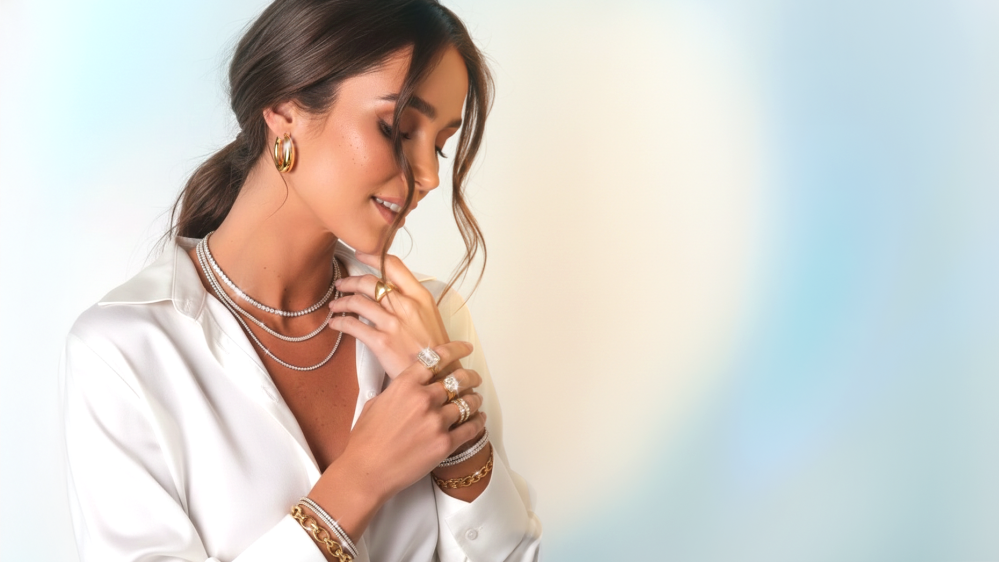
Engagement ring trends change every year, but not all trends are created equal. Some reflect short-term visual preferences, while others signal deeper shifts in how people think about comfort, longevity, and daily wear.
As we move through 2026 and into 2027, we’re seeing a clear pattern emerge: many of today’s “trends” are less about decoration and more about how a ring performs over time. That distinction matters, especially if you expect your engagement ring to look appropriate and feel comfortable ten years from now.
Below, we break down the engagement ring trends gaining traction in 2026-2027, with a specific focus on:
Which trends are most likely to stand the test of time, and why?
Low-Profile Settings That Prioritize Wearability
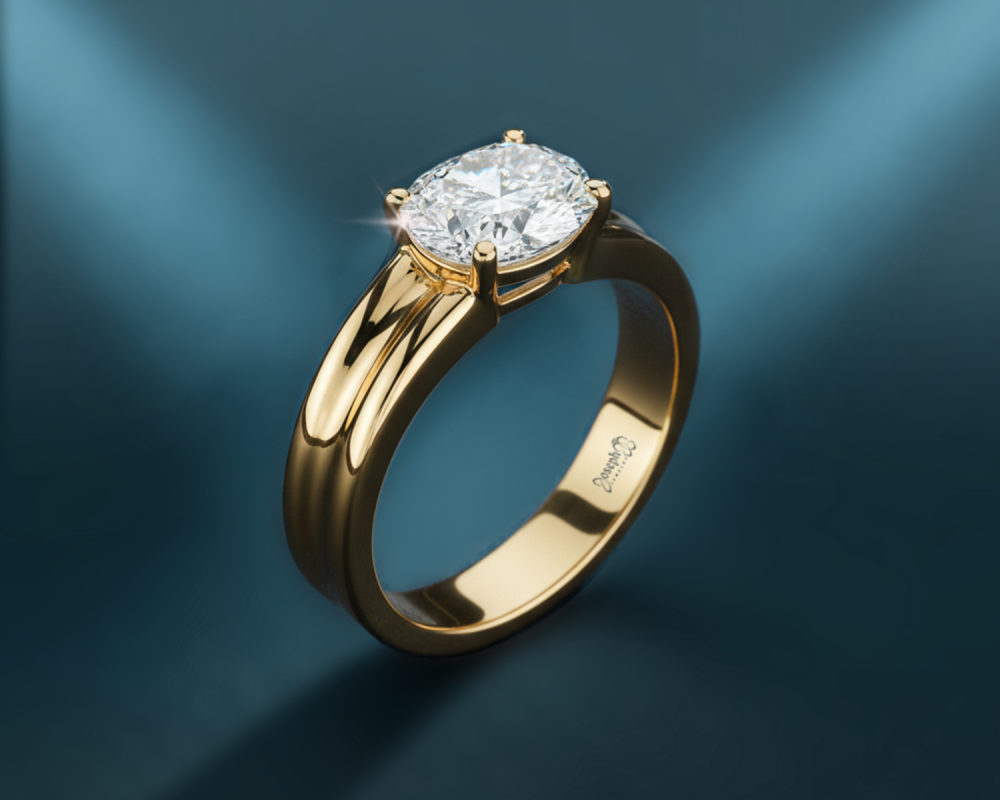
Low-profile engagement rings are no longer a niche request. More clients are asking for settings that sit closer to the finger and feel stable during daily wear. This shift isn’t aesthetic alone. Lower profiles reduce snagging, improve balance, and tend to age better because they’re designed around real use not just photography.
If you’re exploring this direction, you may find it helpful to review our blog on low profile engagement rings, which features design styles and more details.
Why this trend lasts:
Comfort, stability, and practicality rarely go out of style.
Elongated Diamond Shapes With Balanced Proportions
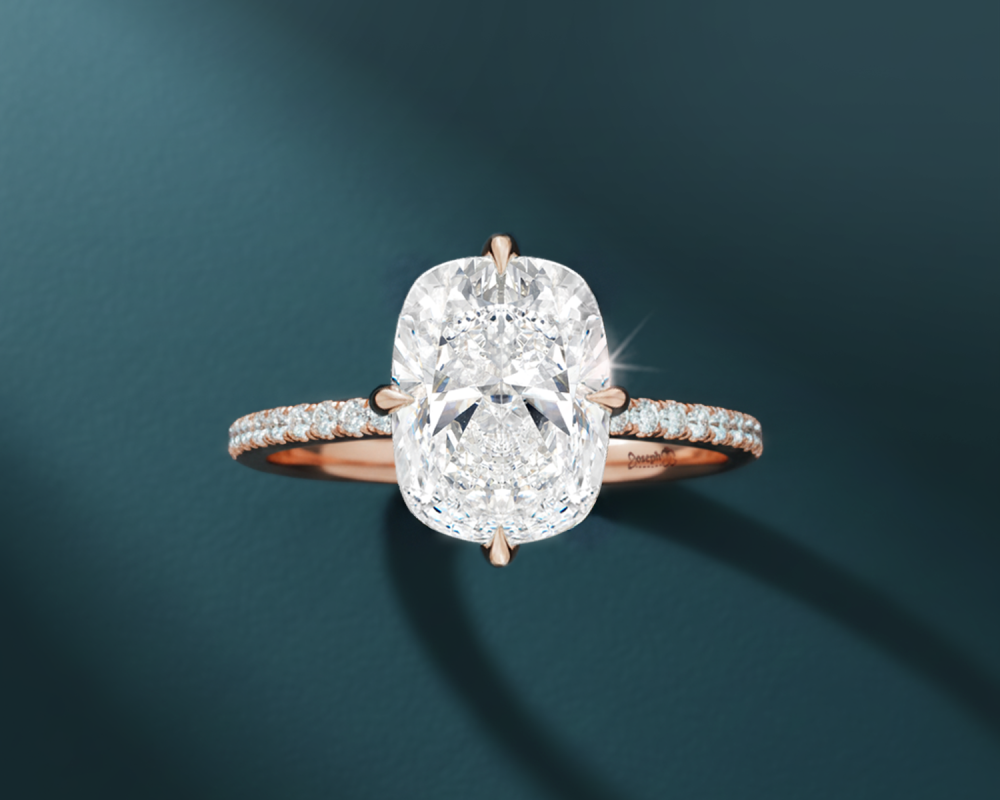
Elongated cushion, oval, emerald and radiant cuts remain popular in 2026–2027, but with an important evolution: proportions are becoming more restrained.
Rather than just pushing extreme length-to-width ratios, buyers are also increasingly prioritizing balance on the hand, even light return, and long-term visual harmony.
Why this trend lasts:
Classic geometry with thoughtful proportions avoids looking tied to a specific era.
Thicker Bands Designed to Look Refined
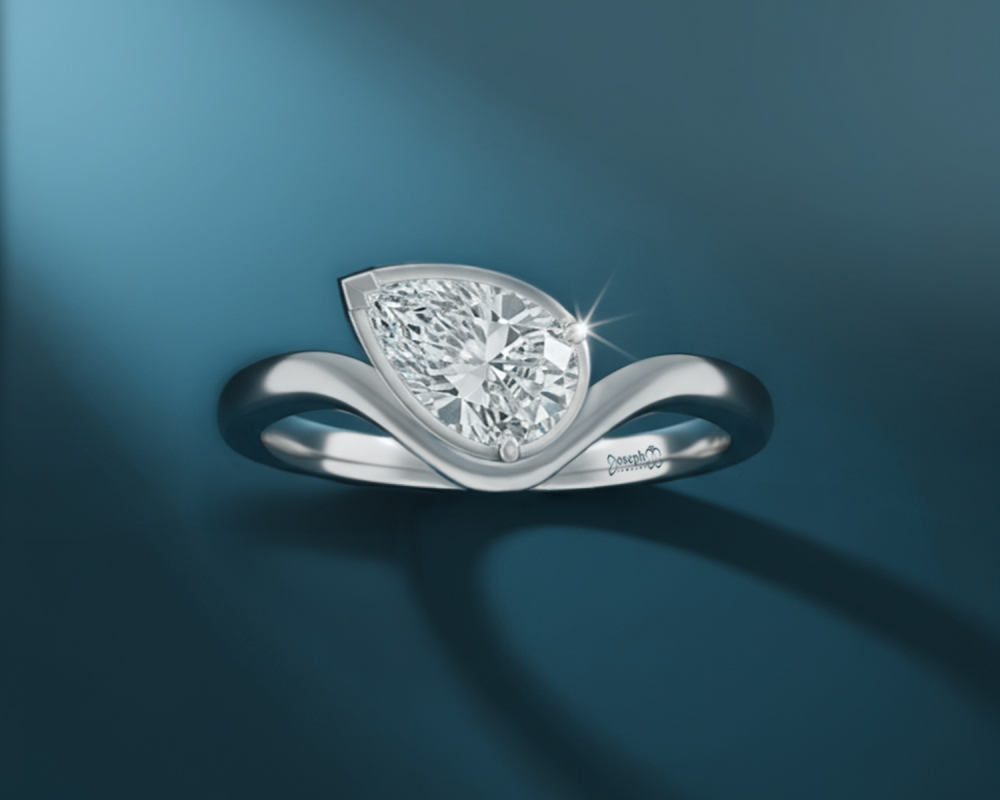
One of the most noticeable shifts we’re seeing is a move toward slightly thicker bands, paired with careful contouring so they don’t feel heavy or bulky.
This reflects a growing awareness of durability and structural integrity. Bands that maintain enough metal volume tend to hold their shape better over time and are more forgiving with resizing and daily wear.
Why this trend lasts:
Structural soundness becomes more important, not less, the longer a ring is worn.
Subtle Mixed Metals
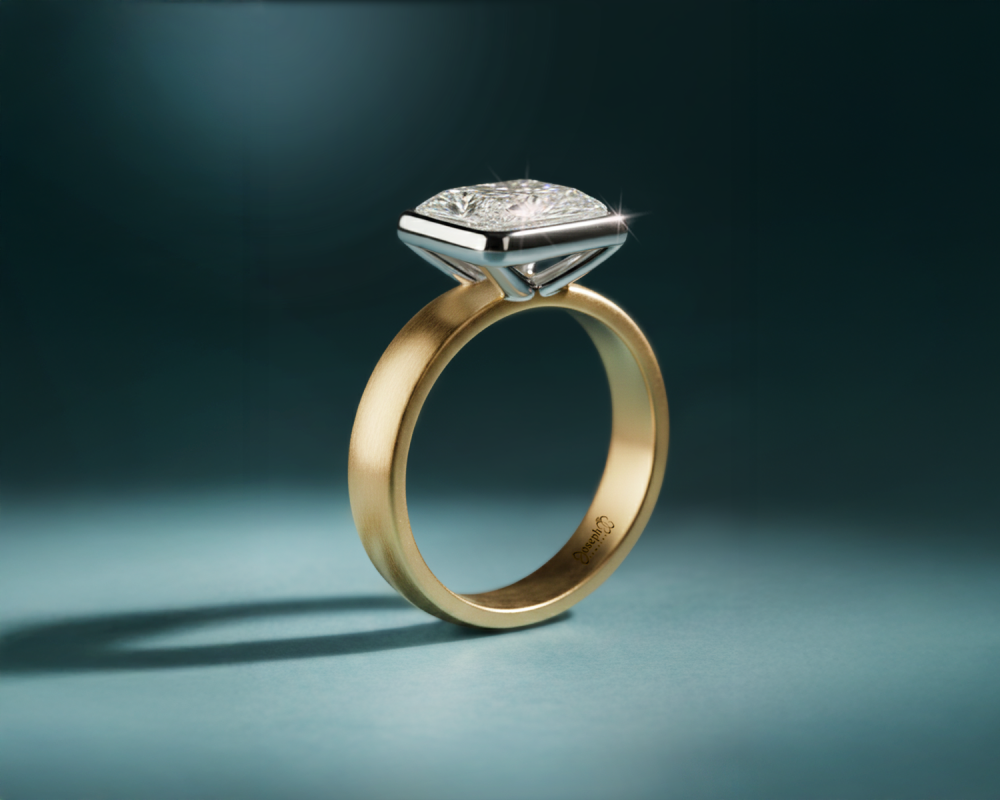
Mixed-metal engagement rings are evolving beyond contrast for contrast’s sake. In many designs, yellow or rose gold shanks are paired with a white-toned setting for the center stone.
When choosing between white metals, platinum is often the superior choice for the setting. Unlike white gold which requires periodic rhodium plating to maintain its bright finish platinum is naturally white and will never fade or yellow over time. This combination offers the warmth of colored gold with the low-maintenance security of a platinum head.
This approach often serves a practical purpose: stone security, color neutrality around the diamond, and easier long-term maintenance.
Why this trend lasts:
When mixed metals are used intentionally, they solve real design and wear concerns.
Hidden Details That Don’t Compete for Attention
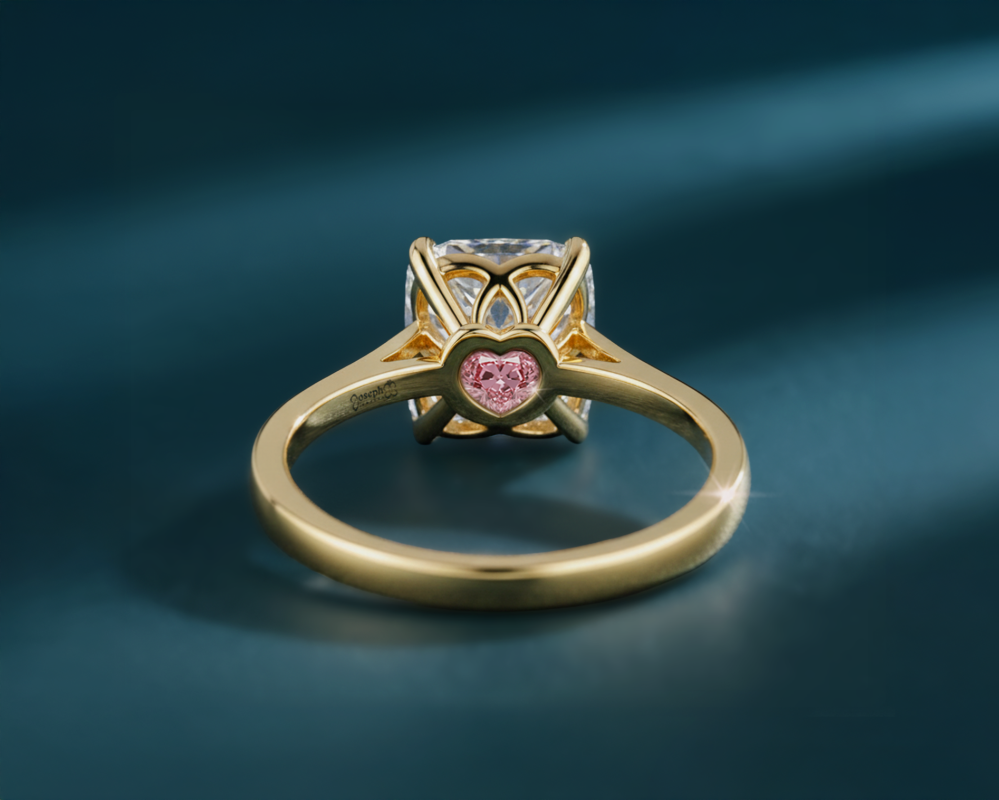
Hidden halos, under-gallery accents, discreet engravings and personal details continue to appear in custom designs.
These details add depth and personalization without overwhelming the overall design. Importantly, they remain optional rather than dominant.
If you enjoy thoughtful design elements that are visible primarily to the wearer, or secret meanings that only you two understand, this approach tends to feel timeless rather than trendy.
Why this trend lasts:
Private details don’t date a ring visually and hold a romantic value that transcends time.
Trends That May Feel Dated in 10 Years
Ultra-Thin Bands Below Structural Thresholds
Extremely thin engagement ring bands remain popular online, particularly in photography-driven content. However, designs that prioritize thinness at the expense of durability often show wear quickly.
This is one area where current popularity doesn’t necessarily translate to long-term satisfaction.
At Joseph Jewelry, we have golden standards and we usually recommend a minimum of 1.8mm band width or even 2mm depending on the chosen design to preserve structural integrity.
Excessively Tall Settings
Very tall settings can make a diamond appear prominent, but they also introduce balance and wearability issues over time. As lifestyles evolve, many owners find these designs less practical than expected.
Trends vs Longetivity: How to Think About the Difference
The engagement ring trends most likely to look good in 10 years share one thing in common: they’re rooted in function, proportion, and wearability, not surface-level decoration.
Trends built on how a ring performs, how it feels on the hand, how it holds up structurally, how it balances visually tend to evolve slowly and gracefully.
Those built primarily for visual impact often feel dated more quickly.
Creating a Ring That Endures
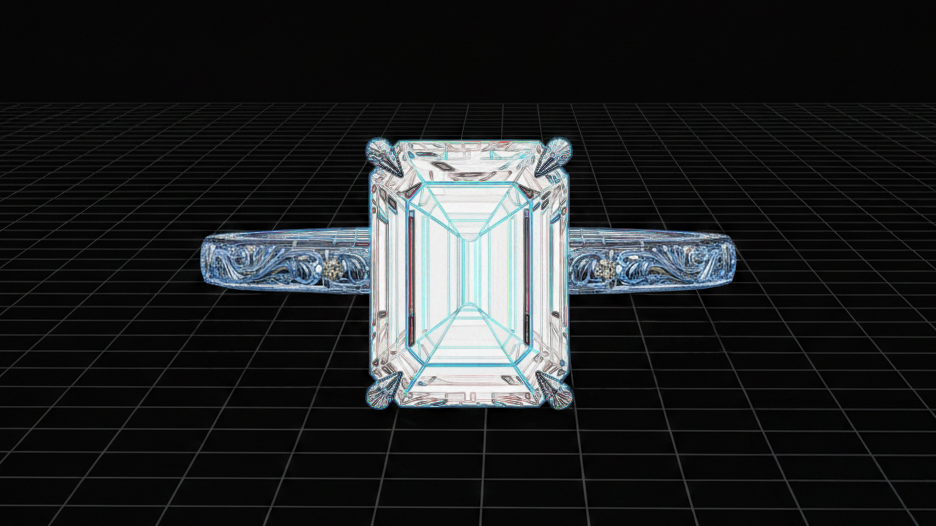
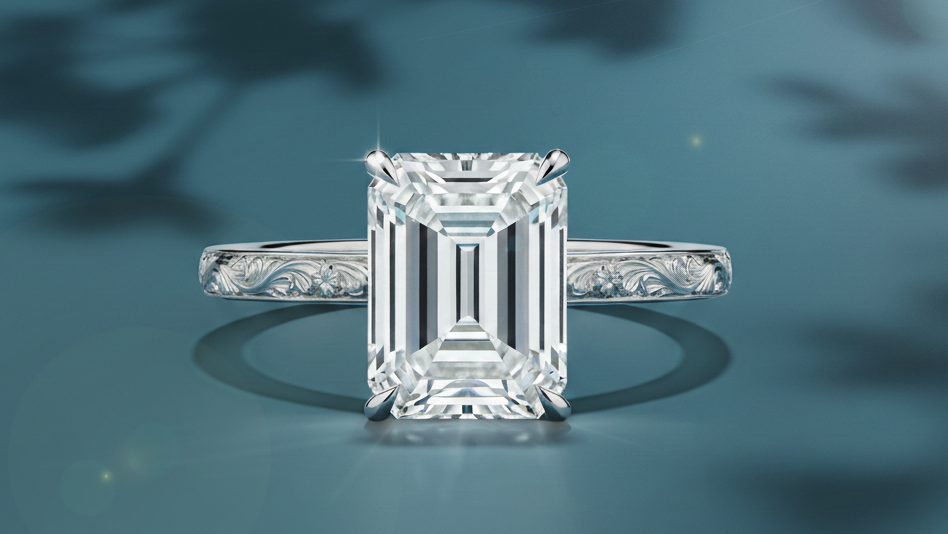
Trends may influence where a design begins, but they shouldn’t dictate where it ends. An engagement ring meant to be worn for a lifetime needs to reflect personal style, practical considerations, and long-term wear not just what’s popular at the moment.
At Joseph Jewelry, our custom design process helps couples translate today’s trends into rings that feel personal, structurally sound, and relatable beyond any single era. By balancing design preferences with craftsmanship, wearability, and budget, we create engagement rings that honor individual style while transcending short-term trends. The result is a ring designed not just for now, but for decades to come!

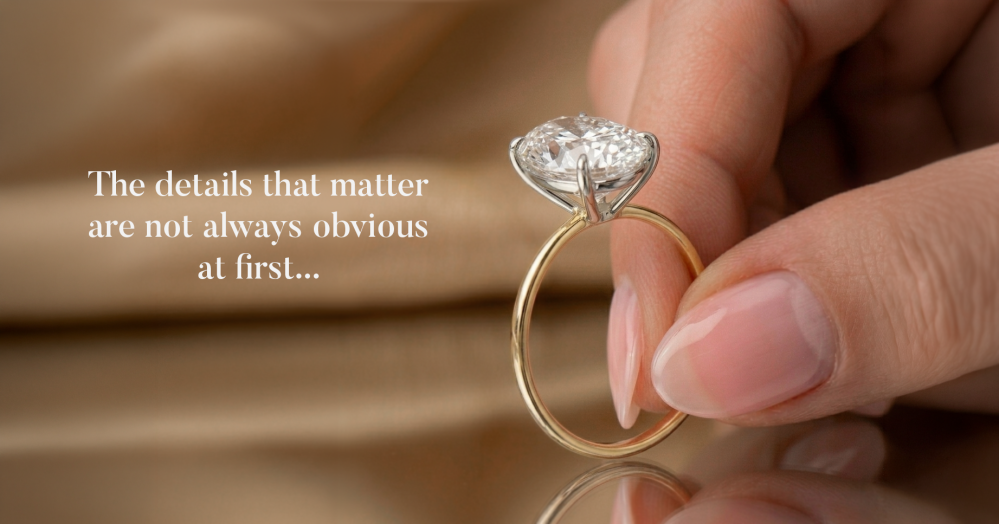
Common Engagement Ring Regrets and How to Avoid Them
Common engagement ring regrets are often avoidable. Learn what people wish they knew and how thoughtful design leads to lasting satisfaction.
Guide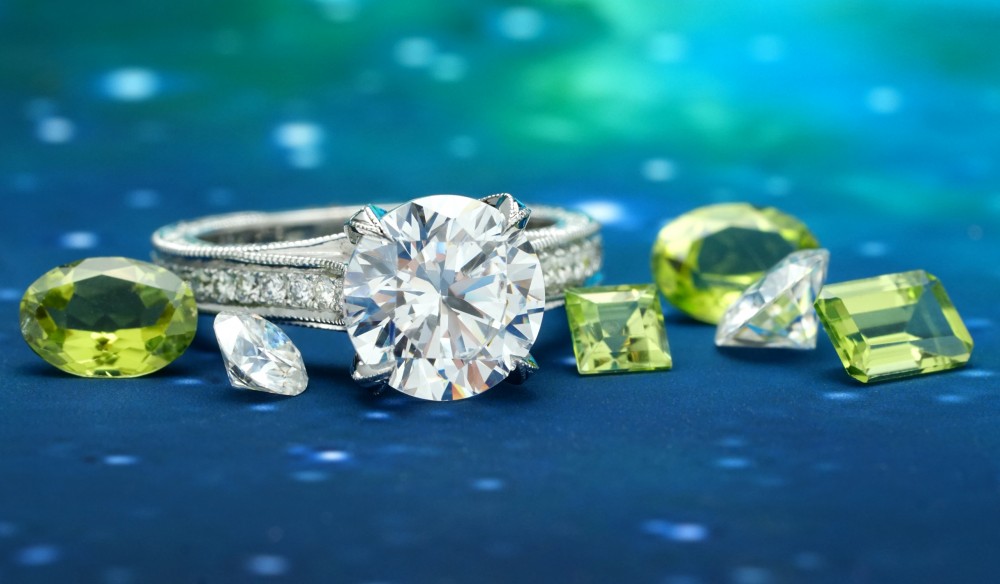
Gemstones From Space
A few gemstones have varieties that came from outer space via meteor or the pressure from an asteroid landing on Earth caused them to enter existence. Read on to learn about these materials!
Guide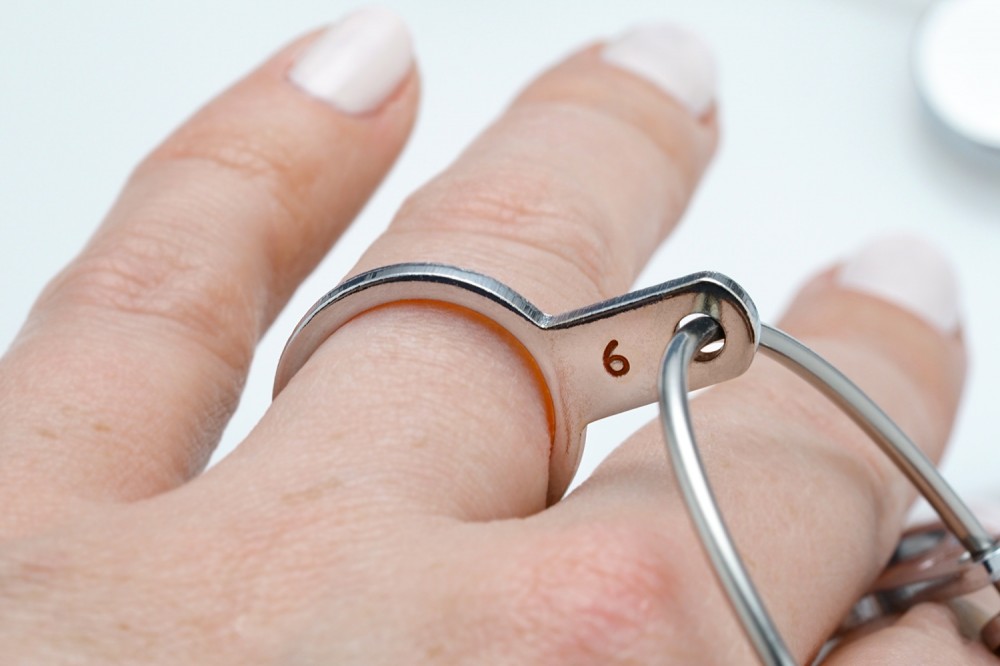
How to Determine Your Ring Size (Free Ring Sizer)
Ring size is an important element in creating a custom ring! Read on for ring sizing tips, an international ring sizing chart, and how to get a free professional ring sizing kit.
Guide