
Common Engagement Ring Regrets and How to Avoid Them
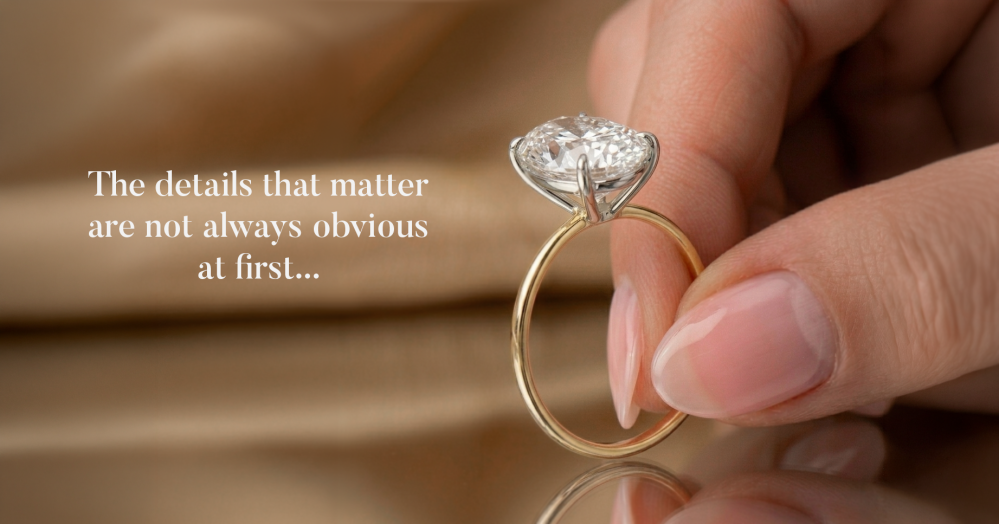
More couples are turning to online communities to research engagement rings before making a decision. What stands out is not just what people choose, but what they later wish they had considered.
Across these conversations, the same patterns appear again and again. Surprisingly, most regrets are not about choosing the wrong ring entirely. They often come from small design decisions that are not immediately visible but become more apparent with daily wear.
Understanding these patterns early can make the process feel clearer and less uncertain.
Why Engagement Ring Regrets Happen
Engagement rings are often chosen during a meaningful but time-sensitive moment. There is excitement, anticipation, and sometimes pressure to decide quickly.
Many choices are based on photos, trends, or what looks appealing at first glance. What is harder to see is how a ring will feel after months or years of daily wear.
Most regrets come from a gap between how a ring looks and how it performs as the ring is worn regularly. These patterns tend to show up in specific, repeatable ways. Below are some of the most common situations people mention after living with their ring for a period of time.
1- Thin Bands That Do Not Hold Up Over Time
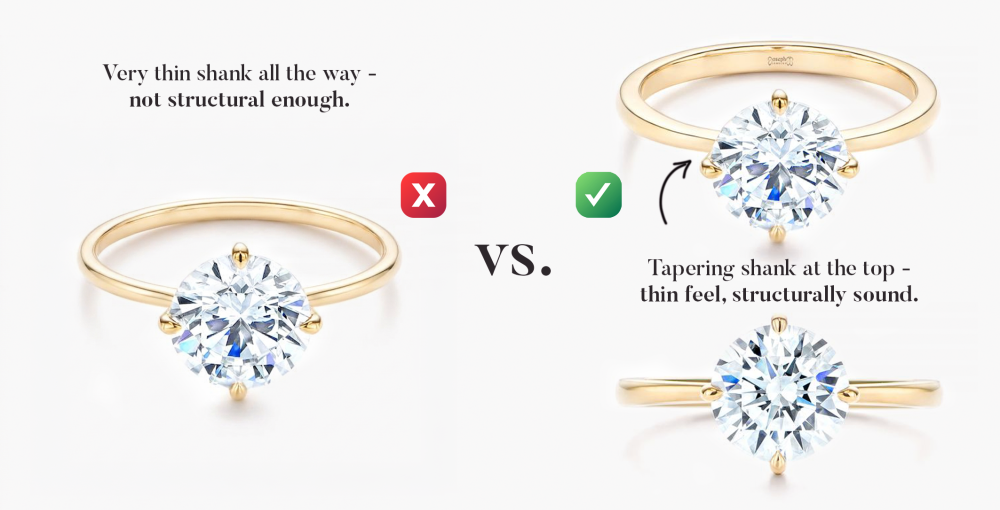 Featured on the right, Item 106729
Thin bands are popular in images because they create a delicate, minimal look. On the hand, they can feel refined and light.
Over time, very thin bands can be more prone to bending, require more maintenance, and offer less support for the center stone. This does not mean thin bands should be avoided entirely, but they need to stay within structural limits.
At Joseph Jewelry, band width is approached with long-term wear in mind. We generally do not go below 1.8mm with closer to 2mm often preferred depending on the overall design. This helps maintain structural integrity while still achieving a balanced, refined appearance.
How this is addressed in our design process
Band thickness is evaluated alongside the full design rather than treated as a purely visual choice. Small adjustments in width, taper, or structure can preserve a delicate look while improving long-term durability.
2- High Settings That Feel Impractical
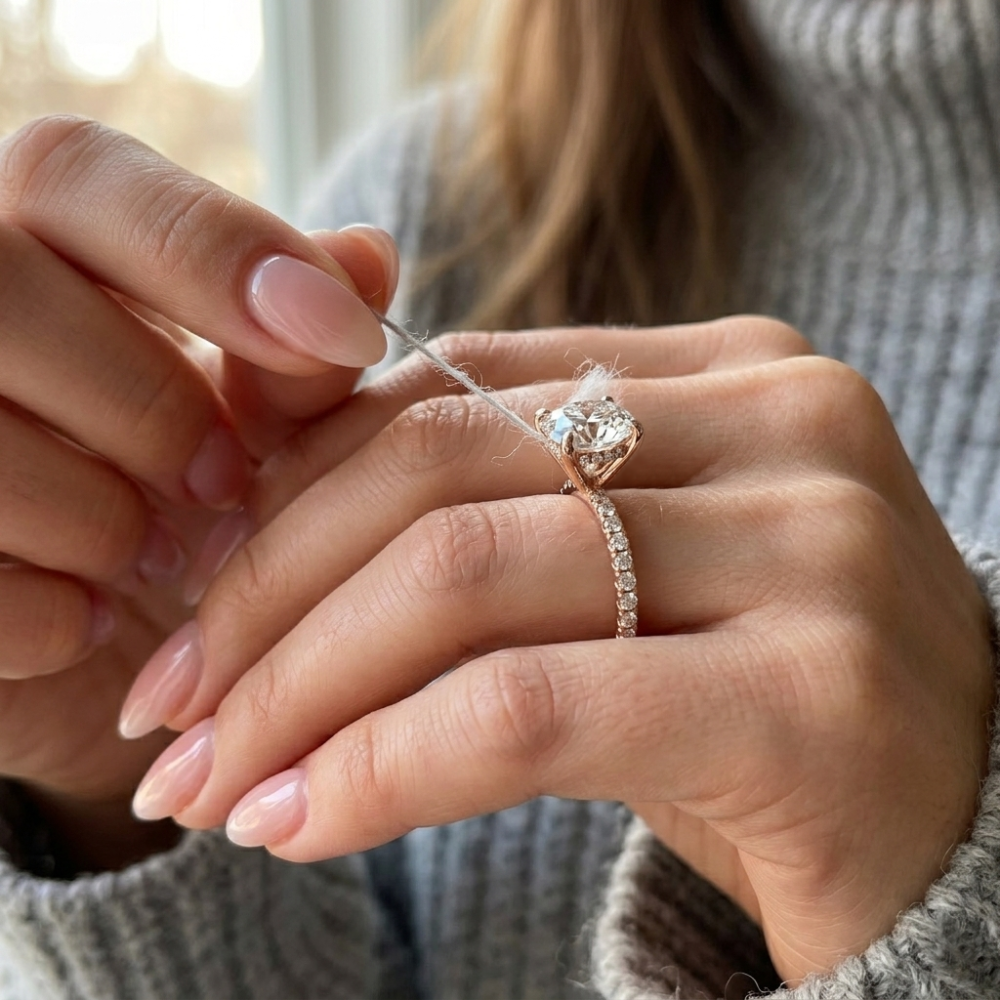
Higher settings can make a gemstone stand out and feel more prominent. In photos, they often look striking.
In everyday wear, they can catch on clothing, feel less stable, or sit higher than expected on the hand. This becomes more noticeable while worn daily, especially for those with active routines.
If you are exploring balance, you may find it helpful to read our guide on Low Profile Engagement Rings, which explains how setting styles affects wearability and how low set rings work best for those with hands-on job.
What helps prevent this
Designing the height of a ring involves more than appearance. By adjusting how the center stone is set and how the ring is built around it, the profile can be refined to feel more stable without losing presence.
3- Rings That Spin or Feel Unbalanced
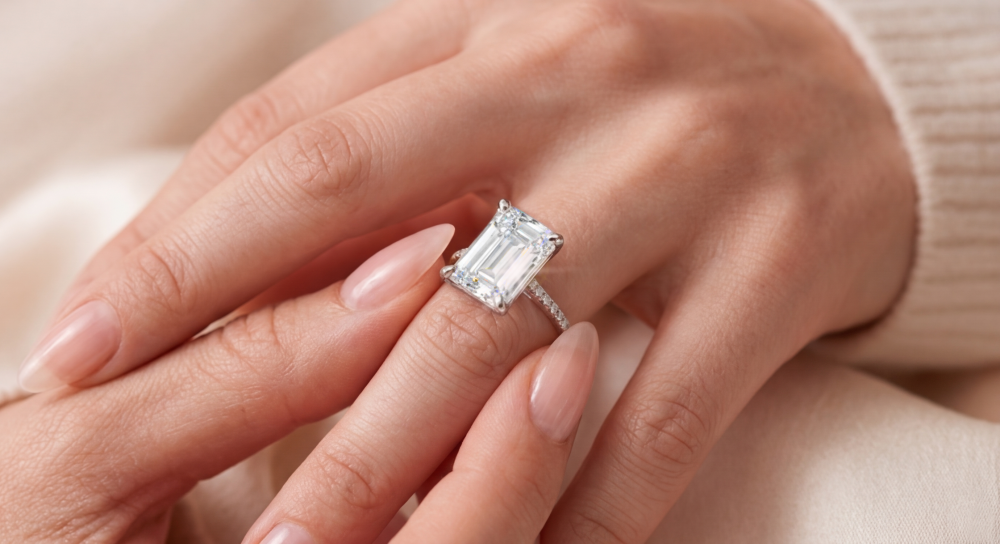
A common question people ask is why their ring keeps turning on their finger. This is more common than many expect.
Spinning can come from a combination of factors such as top-heavy designs, thinner bands, or sizing that does not account for natural changes throughout the day.
Bands with less width have reduced contact with the finger and offer less counterbalance to the center stone, which can make the ring more prone to movement over time.
How this can be approached differently
Balance is considered early in the design process. Adjustments to the band width, distribution of weight, and fit help the ring sit more naturally on the hand, reducing movement without compromising comfort.
4- Not Thinking About the Wedding Band Early On
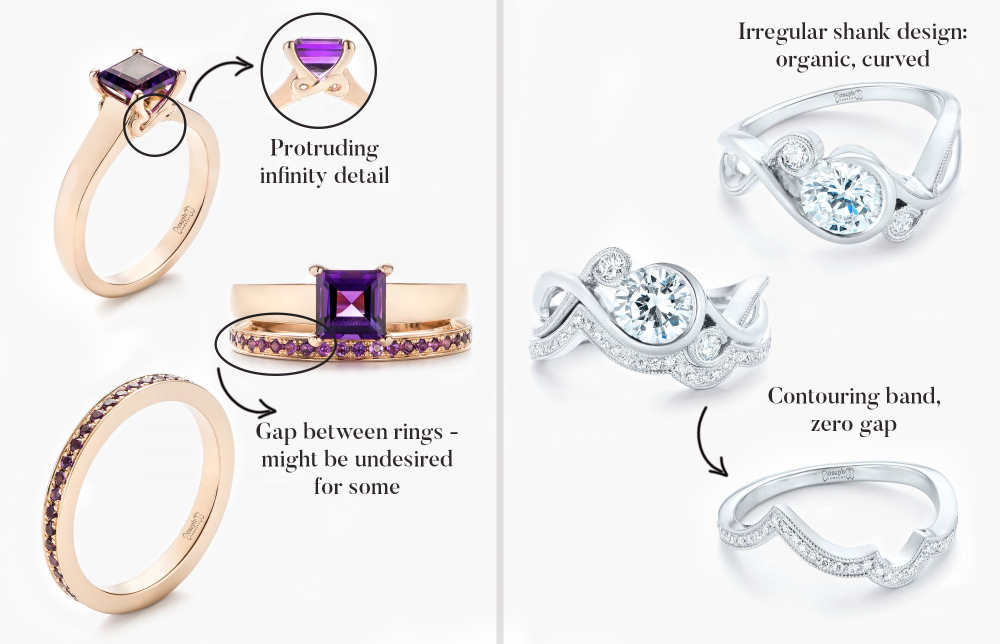 Left: Wedding Set Item 103163 | Right: Wedding Set Item 102866
One detail that often gets overlooked during the engagement ring design process is how a future wedding band will sit next to it.
Many engagement rings are chosen or designed on their own, without considering whether a band will sit flush, require a contour, or leave a visible gap. After the proposal, this can limit wedding band options, often requiring a contoured band or resulting in a visible gap that may have not been intended.
There is no single correct approach. Some people prefer a seamless look, flush fit, while others are comfortable with a slight space between the rings.
How this is addressed in our design process
At Joseph Jewelry, both rings can be considered together from the beginning. Even if the wedding band is not being made right away, it is possible to visualize how it will sit alongside the engagement ring. Through 3D modeling, clients have the chance to explore band styles and how they stack with their engagement ring without feeling committed to producing both pieces at the same time.
Explore the details of our Creative Custom Design Process
5- Choosing Trends That Do Not Feel Personal Later
Trends can be a helpful starting point, especially when exploring different styles. With regular wear, some people find that a design chosen only because it was popular does not feel as personal as they expected.
This does not mean trends should be avoided. It means they benefit from being interpreted rather than followed exactly.
For a broader perspective, you may find it helpful to read which Engagement Ring Trends From 2026 That Are Likely To Hold Up Over Time.
How is this addressed in our design process
Custom design allows elements of a trend to be redefined so that the final piece reflects the individual wearing it. This approach helps ensure the rings feels consistent with personal style as preferences evolve.
6- Underestimating Daily Wear
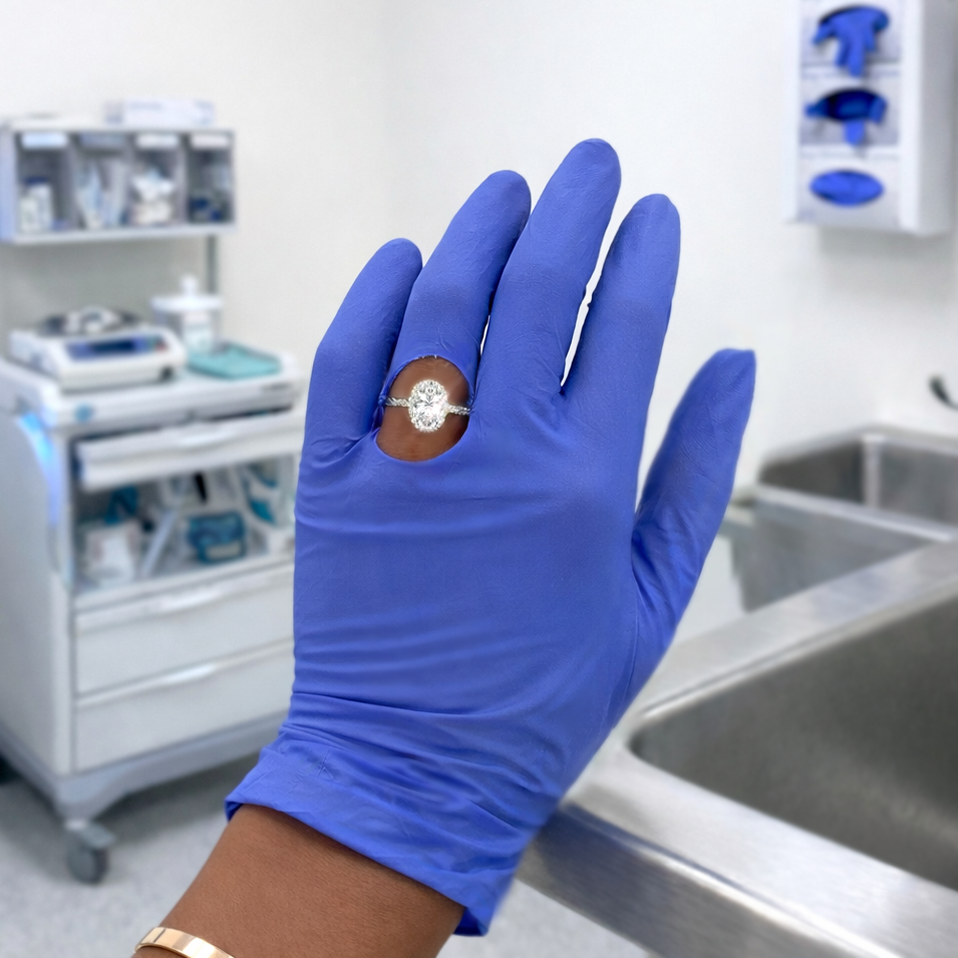
One of the most common realizations happens after the ring has been worn for a while. Many people do not initially consider how often they will wear it or how it interacts with their daily routine.
Work environments, hobbies, and small habits all influence how a ring wears in everyday use.
How this can be approached differently
Design decisions can be guided by how the ring will actually be worn. Considering lifestyle early shape choices around the setting style, profile, and structure so the ring feels appropriate in everyday situations.
Check our blog about Engagement Rings for an Active Lifestyle.
7- Rushing The Decision Process
Some decisions are made quickly due to timing around a specific proposal date that feels personal or more meaningful to the couple or uncertainty about what to prioritize.
At the same time, taking too long to decide can create a different kind of friction. When the process stretches out without clear direction, it can make the decision feel more complicated than it needs to be and can delay a moment that is otherwise ready to move forward. Providing clarity and addressing questions is part of our process, so decisions can be made in an informed way, without pressure.
In many cases, regret comes not from the design itself, but from feeling that certain details were not fully explored before committing.
How this can be approached differently
A more structured design process creates spaces to review, adjust, and refine before anything is finalized. Detailed 3D models allow you to see the design clearly, and a 1:1 scale wax model provides a physical reference to evaluate proportion and presence before production begins.
For those working within a tighter timeline, or who want to maintain the surprise while designing the ring together afterward, there are flexible options. A temporary solitaire can be created using the chosen diamond or gemstone, allowing the proposal to move forward while leaving time to thoughtfully design the final ring with both partners involved. Any investment in the temporary setting will be applied toward the custom piece.
Contact our team to learn more about this option.
What These Regrets Have in Common
These situations share a common thread. They are not about choosing the wrong style, but about details that were not immediately visible or fully considered at the beginning.
Proportion, balance, comfort, and long-term wear are not always obvious in photos or quick decisions. They become clearer through experience or thoughtful planning.
Creating a Ring That Feels Right Long Term
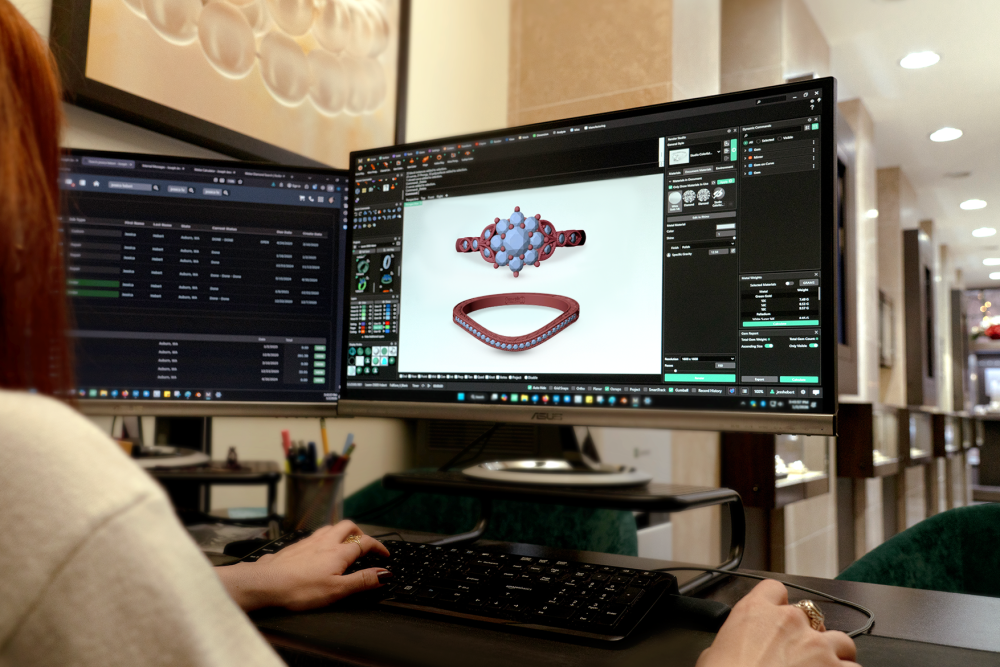 Featured: CAD Model Item 106639
Trends and inspiration can help guide and design, but long-term satisfaction comes from how well a ring fits the person wearing it.
At Joseph Jewelry, the custom design process allows these considerations to be addressed early. By working through proportion, structure wearability, and personal preferences, potential concerns can be refined in advance.
This approach helps translate ideas into a ring that feels balanced, intentional, and comfortable to wear over time.

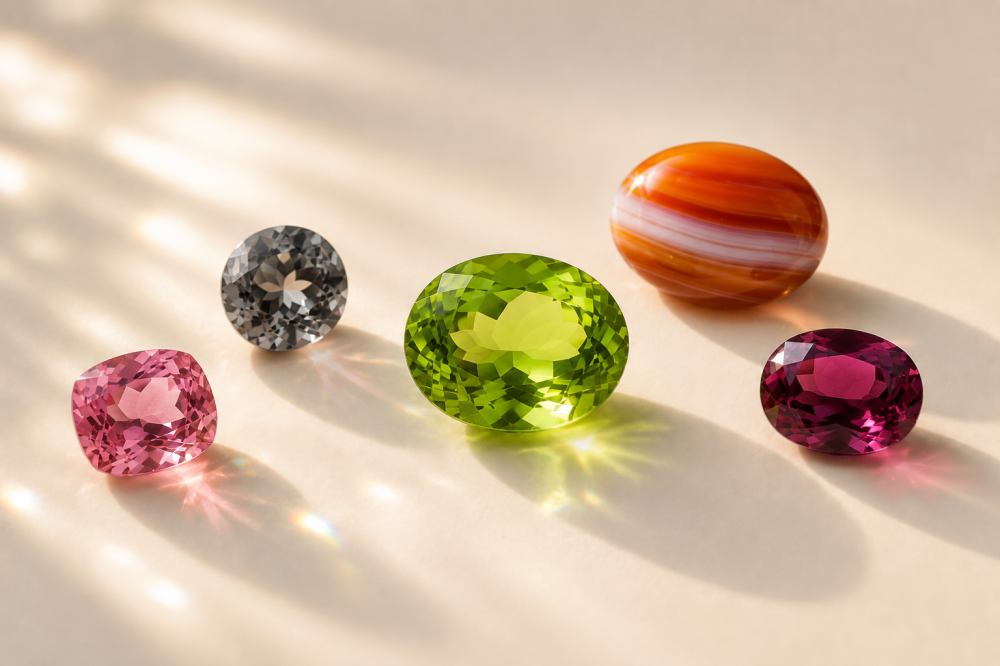
August Birthstone Jewelry: Beyond the Green Gem
August birthstone jewelry goes beyond peridot. Discover how peridot, spinel, and sardonyx bring fresh color, contrast, and personal detail to rings, pendants, earrings, bracelets, and custom designs.
Guide
Gemstones From Space
A few gemstones have varieties that came from outer space via meteor or the pressure from an asteroid landing on Earth caused them to enter existence. Read on to learn about these materials!
Guide
Which 2026 Engagement Ring Trends Will Still Look Good in 10 Years?
Explore lasting engagement ring styles and how thoughtful custom design transcends trends.
Guide